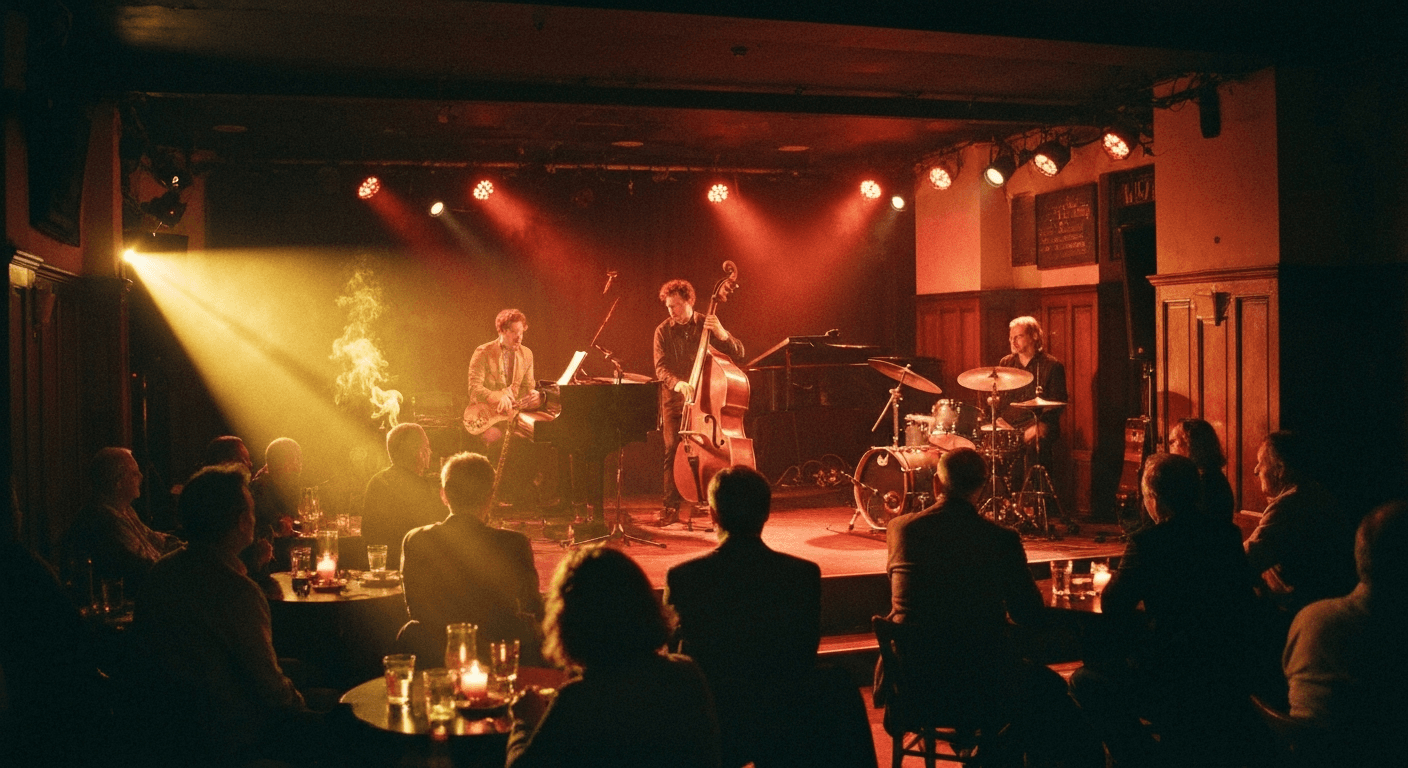
A city where music has been woven into public life since the Secular Games of 17 BC has had a long time to build a scene, and modern Rome delivers on that history. The live circuit spans a serious jazz infrastructure, anchored by the Alexanderplatz Jazz Club (operating since 1984) and the 150-seat Casa del Jazz, through to Big Mama, considered a temple of blues music, and the grand Auditorium Parco della Musica Ennio Morricone, designed by Renzo Piano and home to the Accademia Nazionale di Santa Cecilia. The city produced a generation of politically engaged folk artists including Antonello Venditti and Fabrizio De Gregori, and its late-1990s Rome Indie movement, blending indie rock and post-punk with reverb-heavy guitars and melancholic lyrics, remains a distinct local contribution to Italian alternative music. Few European capitals match this range of operating venues across this many genres.